Source Blue Tempered Steel Strapping for Packaging, Manual Packing, and Container Plate
Find 30 listings for blue tempered steel strapping from Tianjin, China. Compare specifications like thickness, width, and surface treatment including galvanized or polished finishes for container plate and manual packing applications.
Key considerations
Products List
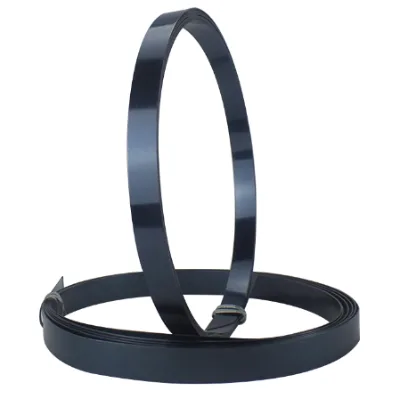
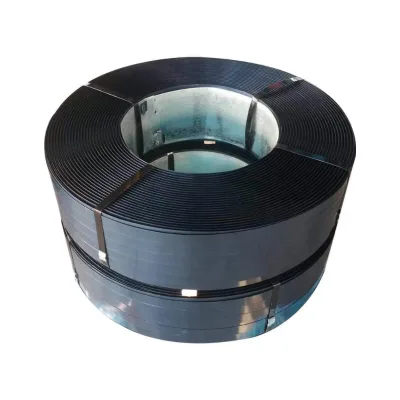
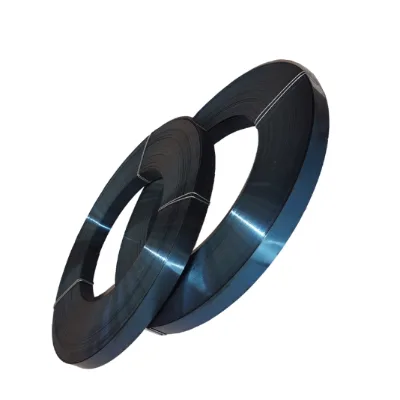
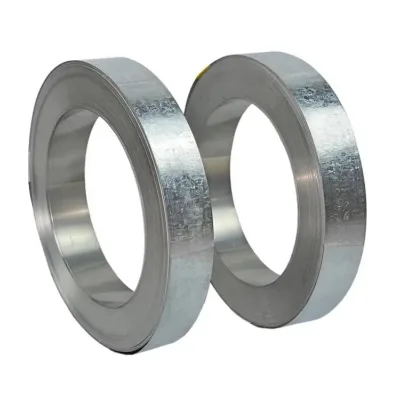




Comprehensive Sourcing Guide
Strategic Sourcing Guide for Blue Tempered Steel Strapping
Understanding Product Specifications and Technical Attributes
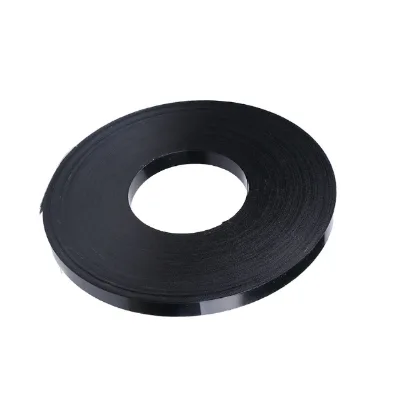
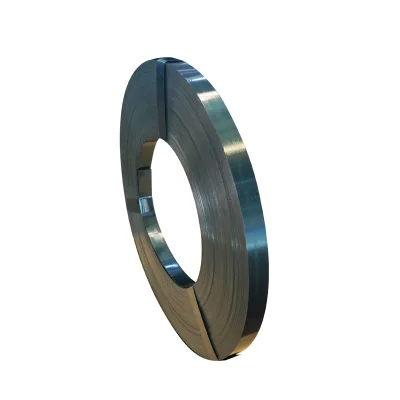
When initiating a procurement strategy for blue tempered steel strapping, the buyer must first establish a precise understanding of the product's physical and technical characteristics. The core keyword "blue tempered steel strapping" refers to a specific class of steel banding materials designed for high-tension packaging applications. Based on available market data, the product is frequently identified by the item name "Blue Tempered Steel Packing Strap" and is utilized primarily for packaging purposes. The distinctive blue finish is often a result of specific surface treatments, which can include polishing, coating, or galvanizing processes. Buyers should verify that the "Finish" attribute aligns with the visual requirement of a blue coating, as this is a critical identifier for the specific grade of tempered steel being sourced.
The mechanical properties of this strapping are defined by its manufacturing technique and material composition. The supply chain for this product typically involves both hot-rolled and cold-rolled techniques. Hot rolling is often associated with the initial formation of the steel, while cold rolling may be employed to achieve specific dimensional tolerances and surface smoothness. The base material is commonly cited as Q235 steel grade, a standard carbon structural steel that offers a balance of strength and ductility suitable for strapping applications. The thickness of the strapping generally falls within a range of 0.3mm to 1.0mm, while the width is typically available between 12mm and 30mm. These dimensional specifications are crucial for matching the strapping to the load requirements of the cargo being secured.
The edge profile of the strapping is another technical variable that impacts performance. The "Slit Edge" is a documented attribute for this product category, indicating that the steel strip is cut to size rather than being rolled with a pre-formed edge. This edge type must be compatible with the tensioning tools used by the buyer. Additionally, the product is available in both stock and non-stock configurations, which influences the immediate availability of the material. The "Steel Banding Strap" and "HLD2019-packing strap" are specific model identifiers that buyers may encounter, suggesting that product models vary by manufacturer and intended application, such as manual packing or container plate usage.
Compliance, Certification, and Standard Verification
In the realm of industrial procurement, verifying compliance with international standards and certifications is non-negotiable for ensuring product reliability and safety. The blue tempered steel strapping market is characterized by a diverse array of standards that manufacturers may claim to meet. Buyers must scrutinize product listings for references to major international standards, including ASTM, GB, DIN, AISI, BS, and JIS. These standards govern the chemical composition, mechanical properties, and testing procedures for steel products. For instance, the presence of ASTM and DIN standards suggests adherence to rigorous quality control protocols common in global trade.
Certification requirements further validate the quality and environmental compliance of the strapping. The supply data indicates that products may carry certifications such as ISO, CE, IBR, and RoHS. The ISO certification is a broad indicator of quality management systems, while specific standards like RoHS (Restriction of Hazardous Substances) are critical for buyers operating in markets with strict environmental regulations. However, it is important to note that not all listed products may be eco-friendly; some data points explicitly state "Not Eco-Friendly," necessitating a careful review of the supplier's documentation to ensure the specific batch meets the buyer's sustainability goals.
The verification process should also include checking for third-party inspection standards. The presence of SGS as a product standard or inspection reference implies that independent verification of the material's properties may be available. Buyers should request specific test reports that confirm the strapping meets the claimed standards (e.g., ASTM, GB, DIN) rather than relying solely on the supplier's assertion. Furthermore, the "Standard" attribute sometimes lists "customer's requirement," which indicates a level of customization. In such cases, the buyer must provide detailed technical specifications to ensure the manufacturer can meet the unique compliance needs of the project.
Cost Drivers and Pricing Dynamics
The pricing structure for blue tempered steel strapping is influenced by a complex interplay of raw material costs, manufacturing processes, and logistical factors. The observed price range in the market spans from approximately $7.9 to $3,000 USD, reflecting the vast difference between small-scale purchases and bulk industrial orders. This wide variance is primarily driven by the quantity ordered, the specific thickness and width required, and the level of customization involved. The Minimum Order Quantity (MOQ) is a significant cost driver, with observed ranges from 1 unit up to 5,000 units, and a specific high-confidence fact noting an MOQ of 1 Ton for certain listings.
Payment terms and delivery conditions also play a pivotal role in the total cost of ownership. The market typically offers flexible payment terms such as T/T (Telegraphic Transfer), B/L (Bill of Lading), and L/C (Letter of Credit). The choice of Incoterms, such as CIF (Cost, Insurance, and Freight), FOB (Free on Board), and EXW (Ex Works), directly impacts the final price. Buyers must calculate the total landed cost, which includes the base price of the steel, shipping fees, insurance, and any applicable duties. The origin of the product, frequently cited as Tianjin, China, or generally China, influences shipping costs and lead times.
Customization is another factor that can elevate costs. While the product offers customization options, any deviation from standard dimensions or surface treatments (such as specific color coatings or edge profiles) may incur additional charges. The "Stock" status of the product also affects pricing; items available in stock may command a premium for immediate availability, whereas non-stock items might offer lower unit costs but require longer lead times. Buyers should negotiate based on the total volume and the specific requirements of their supply chain to optimize the cost per ton or per coil.
Typical Applications and Usage Scenarios
Blue tempered steel strapping is engineered for a variety of industrial applications, with its primary use case being the securement of heavy loads during storage and transportation. The "Application" attribute frequently lists "Container Plate" and "Manual Packing," indicating its versatility in both automated and manual packaging environments. The material's high tensile strength, derived from the tempering process and the Q235 steel grade, makes it ideal for securing palletized goods, steel coils, and construction materials. The "Twist Rope" type mentioned in the data suggests that the product may also be used in conjunction with other securing methods or for specific types of bundling where flexibility is required.
The specific usage scenarios depend on the dimensions of the strapping. Thinner gauges (0.3mm) are suitable for lighter loads and manual applications, while thicker gauges (up to 1.0mm) are reserved for heavy-duty industrial packaging. The "Slit Edge" design allows for precise cutting and tensioning, which is essential for maintaining the integrity of the load during transit. The product is also noted for its use in "Packaging" generally, implying its role in protecting goods from shifting, damage, or theft.
Buyers should consider the environmental conditions in which the strapping will be used. The surface treatments available, such as "Polished," "Coated," or "Galvanized," offer varying degrees of corrosion resistance. For applications involving exposure to moisture or harsh weather, a galvanized or coated finish is preferable to prevent rust and maintain the structural integrity of the strap. The "Seaworthy Package" and "Standard Seaworthy Packaging for Export" attributes highlight the product's suitability for international shipping, where protection against saltwater and humidity is critical.
Supplier Evaluation and Sourcing Criteria
Selecting the right supplier for blue tempered steel strapping requires a rigorous evaluation process that goes beyond price comparison. The origin of the product is a key factor, with "Tianjin, China" being a prominent manufacturing hub. Buyers should verify the supplier's location and assess their logistical capabilities to ensure reliable delivery. The "Delivery Time" of 15-30 days is a standard benchmark, but buyers must confirm if this timeline is realistic for their specific order volume and destination.
Supplier reliability is often indicated by their adherence to standards and certifications. A supplier that can provide documentation for ISO, CE, and RoHS certifications demonstrates a commitment to quality and regulatory compliance. The ability to meet "customer's requirement" standards suggests a flexible manufacturing process, but buyers must ensure that this flexibility does not compromise quality control. The "Product Packing" details, such as "50kgs/Coil" or "25kgs/Coil," are also important for logistics planning; buyers should ensure the packaging format aligns with their storage and handling capabilities.
Transparency in the supply chain is essential. Buyers should request detailed product data sheets that confirm the steel grade, thickness, width, and surface treatment. The presence of specific model numbers like "HLD2019-packing strap" or "HLD2018-steel strip" can help in tracking the product lineage and ensuring consistency across orders. Additionally, the supplier's ability to handle "Not Stock" items efficiently is a test of their production capacity and supply chain resilience.
Quality Control and Long-Term Procurement Considerations
Ensuring the long-term quality of blue tempered steel strapping involves implementing robust quality control measures throughout the procurement lifecycle. Buyers should establish clear acceptance criteria based on the technical specifications, such as the 0.3mm-1.0mm thickness range and 12mm-30mm width. Regular sampling and testing of the strapping's tensile strength and elongation properties are recommended to verify that the product meets the required performance standards. The "Surface Treatment" should be inspected for uniformity and adhesion, particularly for coated or galvanized finishes, to prevent premature failure due to corrosion.
Long-term procurement considerations also include the stability of the supply chain and the supplier's ability to scale production. The "Stock" status of the product can fluctuate, and buyers should develop contingency plans for periods of high demand or supply shortages. The "Payment Term" flexibility, such as L/C or T/T, can be leveraged to manage cash flow and mitigate financial risks. Furthermore, buyers should consider the environmental impact of the strapping, especially if their end customers have strict sustainability requirements. The "Eco-Friendly" attribute varies among suppliers, and selecting a supplier that offers environmentally compliant options can enhance the buyer's brand reputation.
Finally, the relationship with the supplier should be built on mutual trust and clear communication. Regular audits and performance reviews can help maintain high standards and ensure that the supplier continues to meet the buyer's evolving needs. By focusing on technical specifications, compliance, cost efficiency, and quality control, buyers can secure a reliable supply of blue tempered steel strapping that supports their operational goals and minimizes risk.
Comparison of Key Product Attributes
| Attribute | Common Observation | Verification Requirement |
|---|---|---|
| Material Grade | Q235 Steel | Request Mill Test Certificate (MTC) |
| Thickness | 0.3mm - 1.0mm | Measure random samples per batch |
| Width | 12mm - 30mm | Verify against purchase order specs |
| Surface Treatment | Polished, Coated, Galvanized | Visual inspection for uniformity |
| Certifications | ISO, CE, RoHS, SGS | Check validity of certificates |
| Origin | Tianjin, China (or general China) | Confirm shipping documentation |
| Packaging | 25kg/Coil, 50kg/Coil, Seaworthy | Inspect packaging integrity upon receipt |
| Lead Time | 15-30 Days | Confirm with supplier for specific order |
| MOQ | 1 Ton (or 1-5000 units) | Negotiate based on volume needs |
This table summarizes the critical attributes that buyers must verify to ensure the procurement of high-quality blue tempered steel strapping. By systematically checking these parameters, buyers can mitigate risks and ensure that the product meets their specific operational requirements.
FAQs
What are the standard thickness and width ranges for this strapping?
The standard thickness ranges from 0.3mm to 1.0mm, while widths typically span 12mm to 30mm. These dimensions ensure compatibility with various packaging loads and tensioning tools for secure transport.
Which certifications are commonly available for blue tempered steel strapping?
Common certifications include ISO, CE, IBR, and RoHS. Buyers should verify specific documentation as not all products are eco-friendly, and some listings may only meet customer requirements rather than standard certifications.
How long is the typical delivery time for orders from China?
The typical delivery time is 15 to 30 days from the origin in Tianjin, China. This timeline applies to both stock and non-stock items, though non-stock orders may require production scheduling.
Can the product be customized for specific packaging needs?
Yes, customization is available for specific packaging needs. Suppliers can adjust dimensions and surface treatments like polishing or galvanizing, though deviations from standard models may affect pricing and lead times.
What is the minimum order quantity for purchasing this steel strap?
The minimum order quantity is typically 1 Ton for bulk purchases. Some listings may allow orders starting from 1 unit, but the standard high-confidence fact indicates a 1 Ton threshold for industrial sourcing.
Which surface treatments are applied to ensure corrosion resistance?
Surface treatments include polished, coated, and galvanized finishes. These options protect the Q235 steel grade against rust, making the strapping suitable for seaworthy packaging and outdoor storage conditions.